Anh Vo
Adjunct Instructor
Based in Brooklyn and Hanoi, Anh Vo is a Vietnamese choreographer and writer working in the expanded field of performance. Their practice mobilizes the naked body in its variations to make explicit the entanglement of power and apparitional forces that cut across flesh. Their work is situated in the unlikely lineage convergences between Downtown New York experimental performance, Hanoi performance art, and Vietnamese folk ritual practices. Vo is indebted to Miguel Gutierrez's unapologetic queerness and amorphous excess, Moriah Evan's speculative commitment to the depth of interiority, Tehching Hsieh’s existential sense of time, and Ngoc Dai’s guttural sonic landscape of postwar Vietnam. Their formal training is in Performance Studies, studying with esteemed theorists and practitioners at Brown University (BA) and New York University (MA).
As a writer, they focus on experimental practices in contemporary dance and performance. Vo currently works as a Contributing Editor of the Movement Research Performance Journal. They were previously the Co-Editor of Critical Correspondence (2020-2022) and an editorial collective member of Women and Performance: a journal of feminist theory (2018-2021)
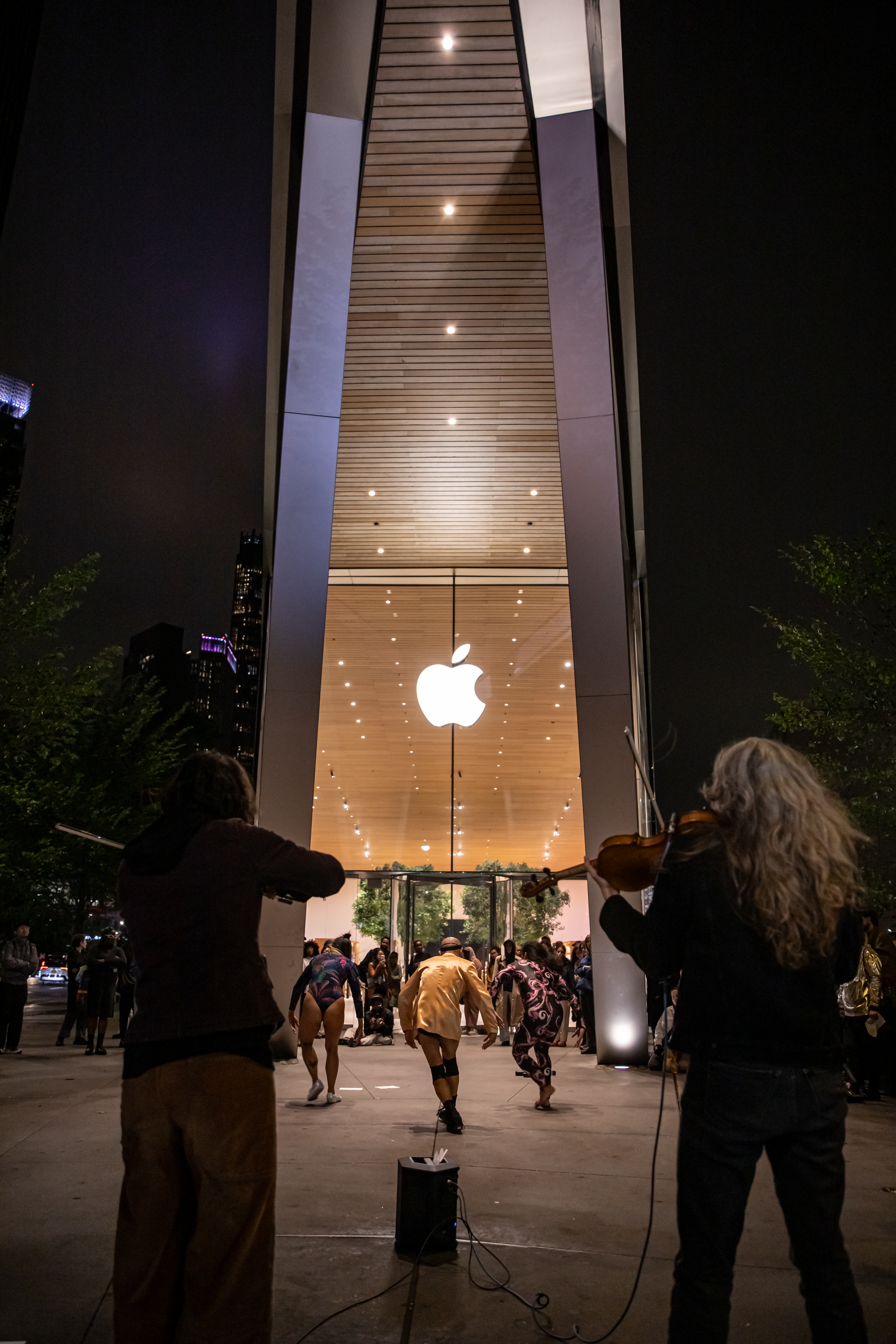
Performance view of Possessed by Capital (2025). Photo by Rachel Keane.