Economic Growth and Innovation

Economic growth is the oldest sub-discipline in economics. It is technically the core of economic policy because growth makes people better off in the long run. Economic growth is closely related to various other sub-disciplines, such as economic demography, human capital, productivity and technological advances, macro-economic policy, and public policy. In addition, studying economic growth calls for a survey of both economic and general. Emphasis will be placed on theoretical development, issue discussion, and policy formulation. Those with existing knowledge of macroeconomics will be especially suited to this course. Student self-study groups will be established for the review of algebraic equations and basic concepts of macroeconomics to make sure everyone is on the same page.                                               

3 credits                                                                      

Course Code: SS 304

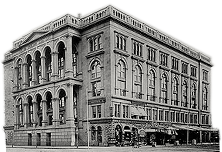
  • Founded by inventor, industrialist and philanthropist Peter Cooper in 1859, The Cooper Union for the Advancement of Science and Art offers education in art, architecture and engineering, as well as courses in the humanities and social sciences.

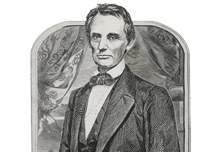
  • “My feelings, my desires, my hopes, embrace humanity throughout the world,” Peter Cooper proclaimed in a speech in 1853. He looked forward to a time when, “knowledge shall cover the earth as waters cover the great deep.”

  • From its beginnings, Cooper Union was a unique institution, dedicated to founder Peter Cooper's proposition that education is the key not only to personal prosperity but to civic virtue and harmony.

  • Peter Cooper wanted his graduates to acquire the technical mastery and entrepreneurial skills, enrich their intellects and spark their creativity, and develop a sense of social justice that would translate into action.