Environmentalism in Urban Context: Past and Present

Human-environment interactions are at the center of debates in multiple fields of study. With an interdisciplinary approach, this course provides students with theories and methodological tools for investigating some of the most enduring questions about the influences of climatic and environmental changes on human history and the roles of people on environmental shifts or catastrophes. By focusing on environmental issues in urban centers and their hinterlands, we will look at the interpretation of the city as a constellation of institutions and social practices that transform nature over different temporal and spatial scales. Through diverse case studies, we will evaluate urban systems with regard to water management strategies, land-use practices, and the issue of sustainability.

3 credits

Course Code: SS 220

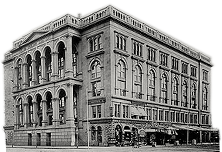
  • Founded by inventor, industrialist and philanthropist Peter Cooper in 1859, The Cooper Union for the Advancement of Science and Art offers education in art, architecture and engineering, as well as courses in the humanities and social sciences.

  • “My feelings, my desires, my hopes, embrace humanity throughout the world,” Peter Cooper proclaimed in a speech in 1853. He looked forward to a time when, “knowledge shall cover the earth as waters cover the great deep.”

  • From its beginnings, Cooper Union was a unique institution, dedicated to founder Peter Cooper's proposition that education is the key not only to personal prosperity but to civic virtue and harmony.

  • Peter Cooper wanted his graduates to acquire the technical mastery and entrepreneurial skills, enrich their intellects and spark their creativity, and develop a sense of social justice that would translate into action.