A History of Music in the Great Hall
Fri, Oct 10, 12pm - Fri, Oct 17, 2025 12pm
Add to Calendar
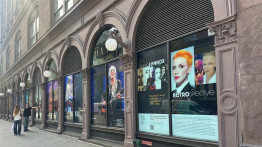
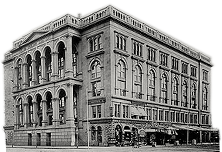
The Cooper Union's Great Hall has been the site of hundreds of thrilling musical concerts in genres as diverse as New York itself: from American roots music and the blues, to avant-garde composers and proponents of free jazz, to opera in translation and visits from the New York Philharmonic, to pioneers of punk and hip-hop. As the home of the American Jazz Orchestra from 1986 to 1992, Cooper hosted established performers like Tony Bennett as well as modern jazz musicians like David Amram and Oliver Lake. There have been well-established series such as WNYC's Annual American Music Festival and the Composers' Forum, which featured contemporary works by the likes of Elliott Carter as well as tributes to American folk music, the Tin Pan Alley compositions of Harold Arlen, Astor Piazzolla's tangos, and the big band sounds of Count Basie.
In honor of Annie Lennox: Retrospective, a free public program hosted by The Cooper Union on October 14, 2025 as part of the Gardiner Foundation Great Hall Forum, The Cooper Union highlighted a few of the performers who have contributed to this dynamic history of musical artists in the Great Hall. See images featured in the colonnade window exhibition on the east side of Cooper's Foundation Building at the gallery online here.
Located at 7 East 7th Street, between Third and Fourth Avenues