Type Archived: Treasures of the UK’s National Typefounding Collection
Monday, August 10, 2026, 6:30 - 8:30pm
Add to Calendar
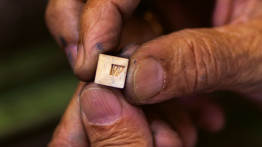
Photo by Philip Sayer
Richard Ardagh will talk about his recently published book, Type Archived, which documents the story and collections of London’s legendary Type Archive as part of the Herb Lubalin Lecture Series. Showcasing highlights from some eight million items, these materials form a tangible history of typography and printing in the UK, from the ancient materials of Sheffield foundry Stephenson Blake and the innovative woodletter factory of Robert DeLittle in York, to the precision hot-metal machinery and global operations of The Monotype Corporation. Ardagh studied punchcutting and matrix-making with the senior staff on site until the Archive’s closure in 2023 and will also share his experiences of ‘engineering the word’.
Registration is required here.
Richard Ardagh is a typographer whose design sensibility has been informed by working with letterpress. His eponymous graphic design practice is known for its beautifully produced art publications and he runs this alongside artisan letterpress studio New North Press, where he is a partner. In 2014 he commissioned A23D, a prototype 3D-printed letterpress font which won an award for Typographic Excellence from Type Directors Club, New York.
Located in the Frederick P. Rose Auditorium, at 41 Cooper Square (on Third Avenue between 6th and 7th Streets)