The Bowery: A Pictorial History
Wednesday, October 22, 2025, 6 - 7:30pm
Add to Calendar
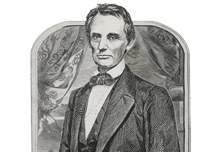
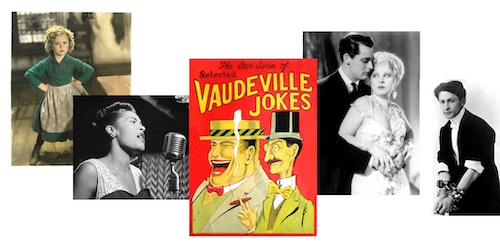
The Bowery was a Native American footpath, Dutch farm road, site of the first free Black homesteads, and site of Lincoln’s epochal anti-slavery speech at The Cooper Union. The city’s first entertainment district, it has seminal links to tap dance, vaudeville, Yiddish theater, Stephen Foster, Irving Berlin, baseball, Houdini, and modern tattooing. The stomping ground for sailors, shopgirls, sporting men, gangs, grifters, and the immigrant Irish, Italians, Chinese, Jews, and Germans, it later became America’s iconic skid row, but rebounded in the late 20th century, impacting Abstract Expressionism, Beat literature, free jazz, and punk rock.
Join author David Mulkins with music by ragtime pianist Ramona Baker in The Cooper Union Library for a lively Illustrated talk about nearly 400 years on this storied “cradle of American popular culture.” 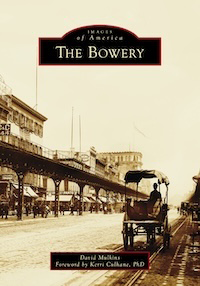
Registration is required.
David Mulkins is a retired history and cinema studies teacher, president of the Bowery Alliance of Neighbors, and editor/contributing writer for the book Windows on the Bowery: 400 Years on NYC’s Oldest Street and The Bowery.
Ramona Baker is a pianist, collector, and researcher of late 19th-early 20th century music.
Located at 7 East 7th Street, between Third and Fourth Avenues