Meet Aaron Langham, Assistant Professor, Electrical Engineering
POSTED ON: September 4, 2026

This semester, Aaron W. Langham joins the Albert Nerken School of Engineering as an assistant professor of electrical engineering. He received his B.E.E. degree from Auburn University in 2018, and M.S., E.E., and Ph.D. degrees in electrical engineering and computer science from the Massachusetts Institute of Technology in 2022, 2024, and 2026, respectively. Langham specializes in signal processing, machine learning (ML), and Internet of Things (IoT) platforms for energy systems.
Tell us about your research interests.
My research focuses on sensors and IoT-like devices and networks for energy systems and the built environment. In my doctoral work, I developed a power monitoring box that I installed on several US Coast Guard ships. Using ML and signal processing informed by physics, this box can learn electromechanical load signatures from one set of aggregate current measurements. We were able to help the crew find and understand multiple equipment faults before they became catastrophic.
What brought you to The Cooper Union?
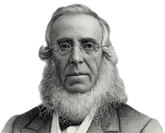
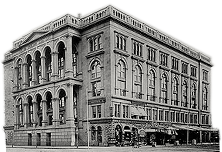
The Cooper Union occupies some of the best real estate on the planet when it comes to the built environment. From subways to skyscrapers, New York is a cornucopia of energy conversion. In addition, I have a deep admiration for Peter Cooper’s vision of an accessible, high-quality education. Due to the small size of the school and the high caliber of the student body, I believe I have an opportunity to get to know and connect with students that I wouldn’t get at many other colleges.
What aspects of teaching are you most excited about in the coming academic year at Cooper?
I’m excited to connect students’ grasp of theory and engineering intuition with the physical world, both in ECE310: Digital Signal Processing and EID101: Engineering Design and Problem Solving. Data-driven engineering techniques are more relevant than ever, but I believe that understanding how the physical systems in our world generate that data helps make well-rounded engineers.