Aircraft Engineering Fundamentals

An introductory course to conceptual aircraft design focusing on commercial aviation. The aircraft system is explained and the interdependencies of main design parameters are analyzed. Students will assess the technical and commercial feasibility of an aircraft design and will explain the advantages and disadvantages of different configurations. They will calculate the flight performance for the different flight phases and understand different flight envelopes. Wing design is explained in detail, considering different requirements. The course closes with the introduction to other types of aircraft like helicopters, paragliders and ornithopters.

Prerequisites: ESC 340 and ESC 251, or permission of instructor

Credits: 3.00

Course Code: ME 423

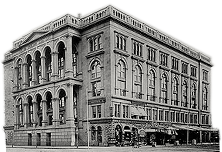
  • Founded by inventor, industrialist and philanthropist Peter Cooper in 1859, The Cooper Union for the Advancement of Science and Art offers education in art, architecture and engineering, as well as courses in the humanities and social sciences.

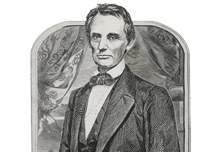
  • “My feelings, my desires, my hopes, embrace humanity throughout the world,” Peter Cooper proclaimed in a speech in 1853. He looked forward to a time when, “knowledge shall cover the earth as waters cover the great deep.”

  • From its beginnings, Cooper Union was a unique institution, dedicated to founder Peter Cooper's proposition that education is the key not only to personal prosperity but to civic virtue and harmony.

  • Peter Cooper wanted his graduates to acquire the technical mastery and entrepreneurial skills, enrich their intellects and spark their creativity, and develop a sense of social justice that would translate into action.