Summer Residency Creates Space for Experimentation
POSTED ON: September 2, 2026
Third Spaces; GRAFXXX
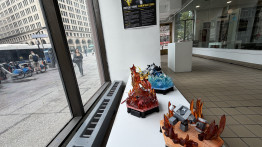
Critical Strike Elementalist Series
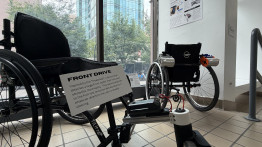
Power-Assistive Device for Wheelchair Users
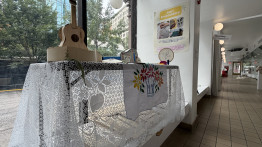
Exploration of Accessibility in Cultural Expressions
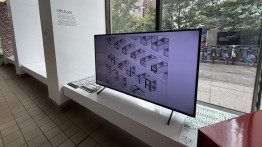
CMU: Architecture Design Discourse Hub
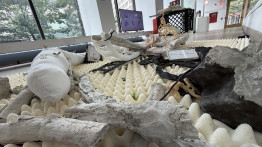
Nature Documentary Aspirations
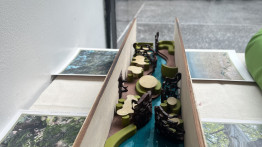
Third Spaces
A new summer program at The Cooper Union began with a simple proposition: What might happen if students from Cooper’s schools of art, architecture, and engineering were given the time, space, resources, and freedom to follow their curiosity?
That question led to the inaugural Summer Exploration Residency (SER), the first pilot of Peter Cooper IIP, a new initiative for student exploration and discovery announced by President Steve McLaughlin last spring. IIP brings students together to share different perspectives, question assumptions, identify real-world problems, and develop ideas that can shape the future. Nineteen current and recently graduated Cooper Union students shared dedicated studio space, project funding, mentorship, and opportunities for critical feedback. Beyond those resources, however, the program offered something less tangible and perhaps more valuable: permission to explore without a prescribed destination.
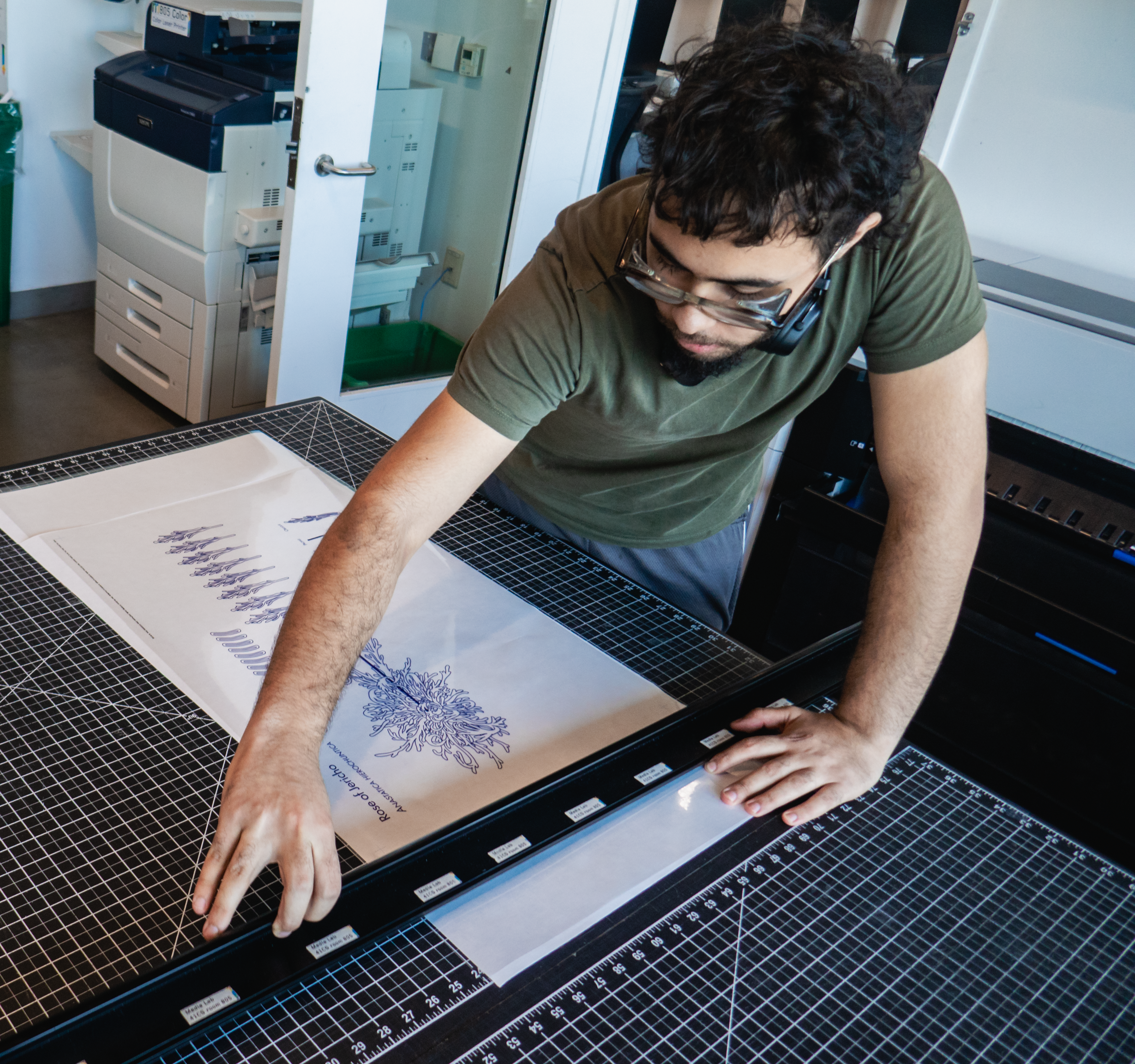
The cohort pursued 11 unique projects, and the variety was apparent from the very beginning. One student explored the idea of a fake nature documentary as an art installation for a public garden. Another used 3D printing as a sculptural medium. Elsewhere, students examined the relationship between eroticism and graphic design, while one project took the form of a fake AI chatbot designed to anonymously connect people.
SER was intentionally designed without predetermined projects or expected outcomes. Rather than asking students to fit their work into an existing curriculum, the residency created conditions in which ideas could develop organically. Students directed their own work while encountering perspectives and practices beyond the boundaries of their individual disciplines. Engineering students might find themselves in conversation with artists; an architect might encounter an unfamiliar approach to technology, material, or public space. Though working on distinct projects, the studio became a place not only for making, but also for exchange.
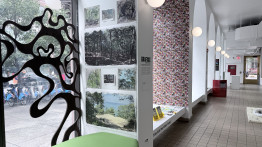
The exhibition that concludes the residency, running from August 28 to September 27 in the Foundation Building colonnade, is meant to provide a snapshot of the work, conversations, collaborations, and discoveries that emerged over the summer. The projects on view represent individual pursuits, but they also reflect the larger environment that made those pursuits possible.
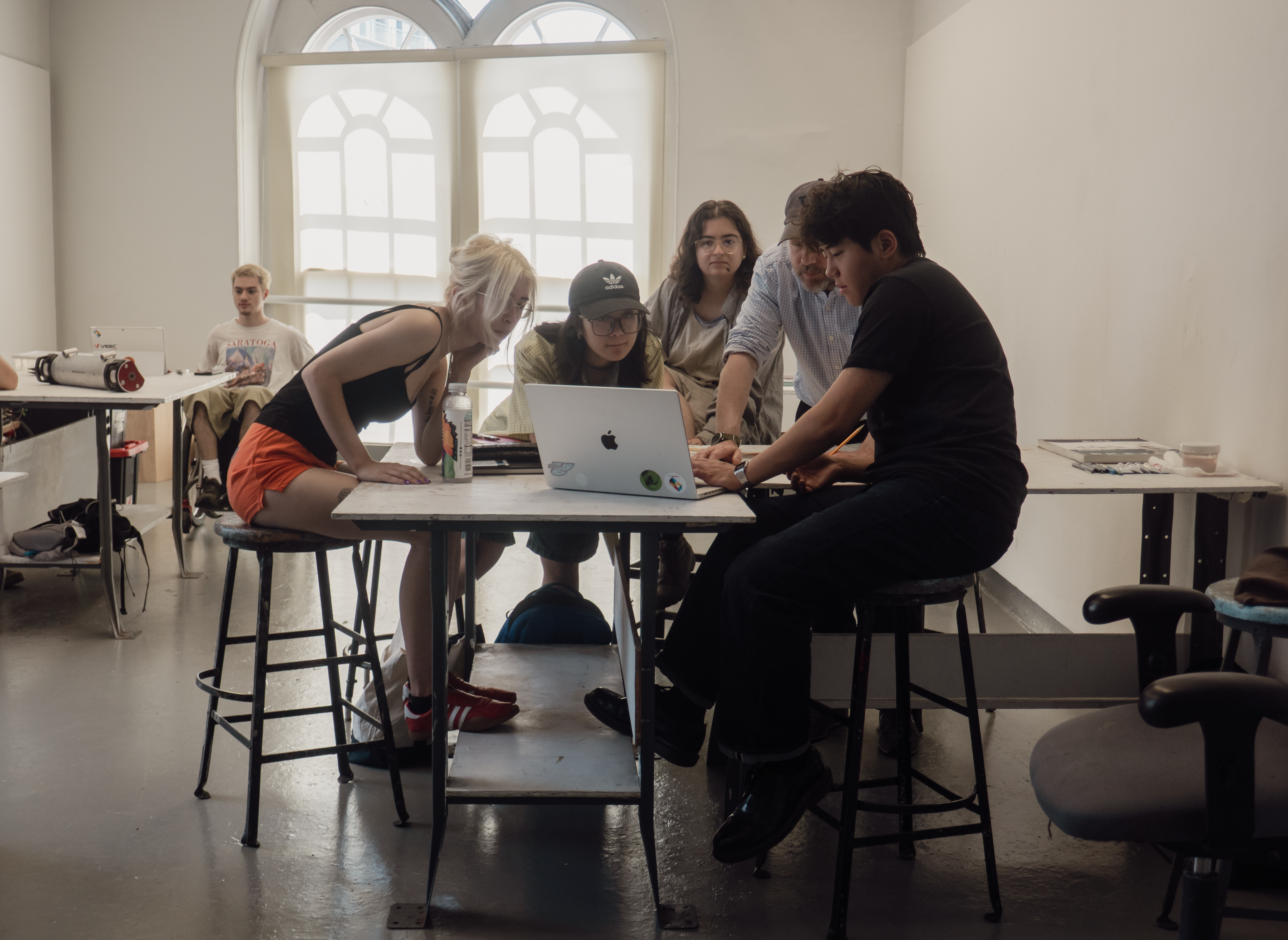
Michael Bambino, SER’s acting program lead and adjunct instructor of mechanical engineering, sees this first summer as a beginning. “We’ve learned a lot from this summer and hope to continue to create new programming that allows students to pursue their interests outside of their school’s curriculum, as well as work alongside and collaborate with students from different corners of the school’s community,” he said.
Inspired by Peter Cooper’s founding vision linking education, invention, and the public good, IIP creates opportunities for students to explore, collaborate, and develop ideas with support from mentors and the broader Cooper community. Early investment from IIP Founding Partners, the IDC Foundation, and the John and Mary Manuck Foundation for Innovation and Opportunity, makes important new programs like the Summer Exploration Residency possible.