Meet Amna Liaqat, Assistant Professor, Computer Science
POSTED ON: August 25, 2026
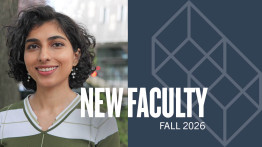
Amna Liaqat joins the Albert Nerken School of Engineering this semester as an assistant professor of computer science. A researcher on human-computer interfaces, Liaqat was most recently a postdoctoral fellow at Princeton University. She received a B.S. in computer science from the Simon Frazer University and M.S. and Ph.D. degrees in computer science from the University of Toronto, Canada.
Tell us about your research interests
My research sits at the intersection of human-computer interaction, design, and creativity. I’m interested in how technology can support creative expression, strengthen social connection, and address real-world challenges. Whether I’m designing educational technologies for children, creating systems that help immigrant families share stories across generations, or developing tools that support teaching, I’m motivated by the same question: How can we design technology that brings people together and enriches the human experience? I enjoy collaborating across disciplines and partnering with communities throughout the design process because some of the most meaningful innovations come from bringing together different perspectives. One of the things I love about human-computer interaction research is that it combines technical problem solving with creativity, empathy, and design to create technologies that genuinely improve people’s lives.
What brought you to The Cooper Union?
What drew me to The Cooper Union was its culture of close mentorship and interdisciplinary, project-based learning. During my interview, I had the chance to meet and talk with several Cooper students, and I was struck by how intellectually curious, motivated, and engaged they were. That really resonated with me because I love working closely with students on research projects that address meaningful societal challenges. I was excited to see that Cooper fosters the same combination of technical rigor, creativity, and human-centered thinking that I bring to both my research and my teaching. I also appreciate Cooper’s emphasis on giving students the freedom to pursue ambitious ideas and learn by doing. It feels like a community where curiosity, creativity, and collaboration are genuinely valued, and I'm excited to contribute to that environment.
What aspects of teaching are you most excited about in the coming academic year at Cooper?
I’m particularly excited to teach EID101: Engineering Design and Problem Solving because it gives first-year students the opportunity to tackle interdisciplinary projects with real social impact. I enjoy mentoring students as they learn to work in teams, engage with different perspectives, and iterate on ideas to solve meaningful problems. I hope to help students develop the mindset that great engineering begins with understanding people and collaborating across disciplines to design solutions that make a meaningful difference. I’m especially excited to see students discover their own interests and confidence as engineers through hands-on projects. There’s something incredibly rewarding about watching students realize they can use their creativity and technical skills to make a positive impact on the world.