Intermediate Perspective Drawing
Cost: $315.00
4 online sessions
Wednesdays, July 1–July 22
6:30 pm–9:30 pm
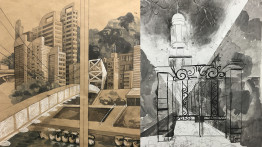
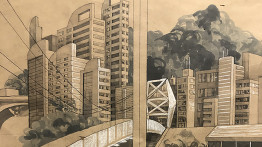
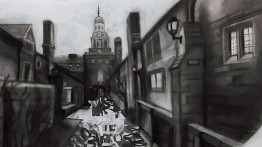
Intermediate Perspective builds on the skills from Introduction to Perspective, moving beyond quick thumbnails into larger, more ambitious drawings. Designed for students already familiar with one and twopoint systems, this course focuses on developing detailed interior and landscape scenes with greater clarity, depth, and personal style.
You’ll spend extended time on each drawing, using charcoal and pencil to explore light, shadow, and texture—bringing structure to life through rich tonal range and careful observation. Multi-point, curvilinear, and atmospheric perspective will be introduced to expand your toolkit, while the emphasis is on creating finished, expressive work.
Materials
- A computer or device with stable internet connection and Zoom app installed
- A workspace (tabletop, easel, or drawing board) next to your computer or device that allows you to work while on Zoom
- 2–3 graphite or ebony pencils
- Vine charcoal or charcoal pastels
- 1 kneaded eraser
- 1 pad 30-60 sheets white drawing paper (approximately 16 x 20”, or 18 x 24”)
- 1 pad newsprint paper (approximately 16 x 20”)
Course Code: INTPD
Instructor(s): Natalie Westbrook