Botanical Abstraction: Seeing Beyond the Surface
Cost: $315.00
4 online sessions
Thursdays, July 9–July 30, 2026
6:30 pm–9:30 pm
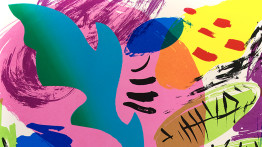
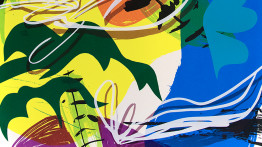
This online course explores the art of abstraction through close observation of plants. Using drawing and watercolor techniques, students will study natural forms—leaves, stems, and botanical structures—and translate them into expressive, abstract compositions. Emphasis is placed on seeing beyond literal representation, developing a personal visual language, and experimenting with line, color, and form. Through guided exercises and creative projects, participants will strengthen observational skills while learning to reinterpret nature in imaginative and dynamic ways. No prior experience is required.
Supplies:
- A computer or device with stable internet connection and Zoom app installed
- A workspace (tabletop, easel, or drawing board) next to your computer or device that allows
- you to work while on Zoom
- 1 cup or jar with water for cleaning brushes
- rags or paper towels
- watercolor paint and assorted brushes
- 1 pad 30-60 sheets white paper intended for “Mixed Media” (approximately 16 x 20”, or 18 x 24”)
- any assorted drawing tools of your choice (examples: chalk pastel, charcoal, ebony pencils, markers, colored pencil)
Course Code: BA0726
Instructor(s): Natalie Westbrook