Collage & The City

Course #1240001

Materials:
32 oz. jar regular gel medium - matte  (Golden brand recommended)
32 oz. jar regular gel medium - gloss  (Golden brand recommended)
16 oz. bottle Golden brand "GAC 700"
32 oz. jar Matte medium (Golden brand recommended)
7 oz. bottle Elmer's Glue
1" wide roll masking tape
X-acto knife with replacement blades
"self-healing" cutting board, 12" X 18"
Scissors
2 pads 14" X 17" Bristol paper (either Vellum or Smooth surface)
14" X 17" inch white drawing paper pad
1" house painting brush, or a 1" flat artist's brush
Basic drawing materials such as graphite pencils and erasers
Basic acrylic painting set, primary and secondary colors, black and  
white in 8 oz. tubes  (Golden brand recommended)

Due to the nature of collage, students will be asked to find/purchase  materials during to duration of the course, but this will be optional/at minimal cost.
Examples include fabric, paper, found objects, photocopies, household  supplies, ephemera, etc.
No turpentine, oil paint, toxic mediums, or sprays are permitted in Cooper Union classrooms.

Suggested Art Supply Stores:
New York Central Art Supply: 62 Third Avenue
Utrecht: 111 East 4th Avenue
Dick Blick: 1-5 Bond Street
Pearl Paint: 308 Canal Street
DaVinci Art Supply: 137 East 23rd St.

Some of these stores will give you a student discount if you present your Cooper Union Continuing Education registration receipt.

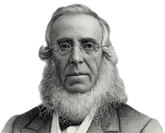
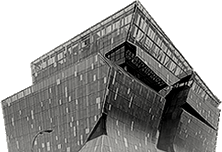
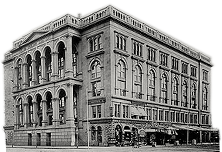
  • Founded by inventor, industrialist and philanthropist Peter Cooper in 1859, The Cooper Union for the Advancement of Science and Art offers education in art, architecture and engineering, as well as courses in the humanities and social sciences.

  • “My feelings, my desires, my hopes, embrace humanity throughout the world,” Peter Cooper proclaimed in a speech in 1853. He looked forward to a time when, “knowledge shall cover the earth as waters cover the great deep.”

  • From its beginnings, Cooper Union was a unique institution, dedicated to founder Peter Cooper's proposition that education is the key not only to personal prosperity but to civic virtue and harmony.

  • Peter Cooper wanted his graduates to acquire the technical mastery and entrepreneurial skills, enrich their intellects and spark their creativity, and develop a sense of social justice that would translate into action.